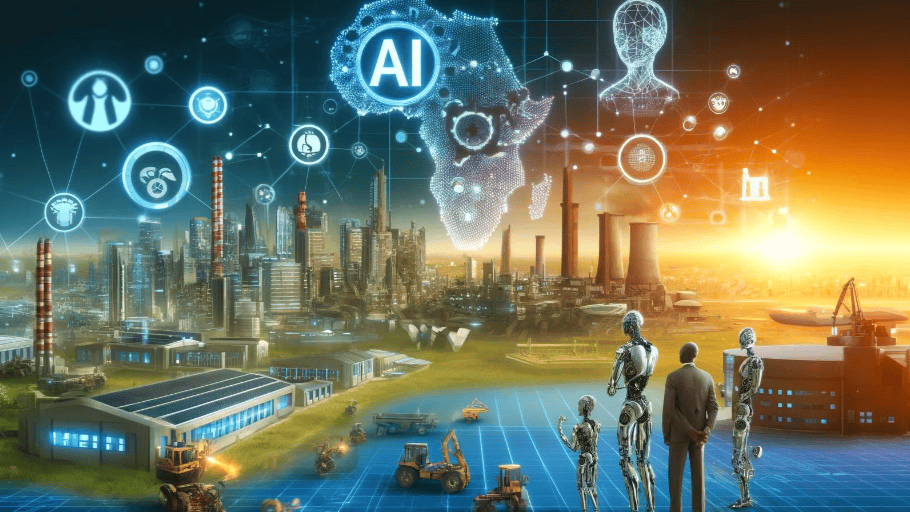
Africa’s Path to Human-centred Industrialisation in the AI Era
There is a well-worn narrative in global development circles that Africa has repeatedly missed out on the great industrial transitions of history—mechanisation, mass production, and digitisation. Now, with the Fourth Industrial Revolution (4IR) centred on emerging technologies such as data, artificial intelligence (AI) and automation, the fear is that the continent might once again fall behind. But what if this framing is flawed? What if Africa’s so-called lag is its most significant opportunity? Rather than being weighed down by legacy infrastructure and outdated systems, much of Africa remains unburdened by the entrenched industrial paradigms that constrain innovation in other parts of the world. This unique positioning allows the continent to leapfrog traditional development models and create future-forward systems rooted in sustainability, inclusion, and indigenous knowledge.
In contrast to the Western industrial revolutions, which prioritised scale and profit often at the cost of sustainability and social equity, Africa can design systems from scratch. It can forge a new path that integrates innovation with the values of resilience, community, and environmental stewardship—starting not with what already exists, but with what is needed.
In Europe and North America, industrial progress unfolded in cumulative layers: from steam engines to electric power, from automation to digitisation. Each transition was embedded within the framework of the previous one, reinforcing specific production models and labour structures. This layering has left many developed nations with infrastructure and institutions that are difficult, expensive, and time-consuming to overhaul.
Africa, however, did not experience industrialisation in this incremental way. During the colonial era, most African economies were structured around the extraction of raw materials, rather than domestic industrial development. As the digital age emerged, the continent faced underinvestment in education and infrastructure, alongside political and economic instability. But this lack of legacy systems, once seen as a setback, now represents a clean slate—a chance to build something radically different.
By imagining a future unshackled by outdated templates, Africa can pioneer adaptive, agile, and sustainable industrial models. Instead of retrofitting existing systems, it can design decentralised, circular, and community-centred industrial ecosystems from the ground up. These new systems can integrate cutting-edge technologies—like AI-powered design, additive manufacturing, and distributed energy—without inheriting the pollution, exploitation, and inequity embedded in legacy models.
The temptation to copy foreign models of industrialisation is understandable. Special economic zones, industrial parks, and technology imports offer what appear to be quick wins. Yet these imported strategies often result in more harm than good. Designed for efficiency and scale rather than inclusion and resilience, Western models can entrench African economies into low-value, environmentally damaging pathways.
Take the textile industry, for example. Countries that attempted to mimic fast fashion strategies based on low-cost labour and high-volume exports found themselves trapped in volatile global markets, with poor working conditions and limited local value creation. In agriculture, efforts to industrialise via monocultures and chemical inputs disrupted smallholder systems without providing sustainable alternatives, frequently resulting in environmental degradation and social instability.
The digital realm is no different. AI systems developed in other regions are often optimised for foreign data sets, languages, and user behaviours. When these tools are imported wholesale, they risk embedding cultural bias, reinforcing dependency, and misaligning with African realities. True progress will not come from mimicry. It will come from original thinking—from systems designed with African needs, cultures, and futures in mind.
At this pivotal juncture, Africa has a singular chance to shape its industrial foundations with careful deliberation. This opportunity is not about rejecting technological advancements or romanticising informal systems. Instead, it is about constructing frameworks that are resilient rather than merely productive, inclusive rather than solely efficient, and regenerative rather than simply modern.
Examples of this approach are already emerging. In agriculture, solar-powered micro-processing hubs allow farmers to dry, grind, and package food near the source. These systems reduce spoilage, increase local incomes, and minimise emissions from long-distance transport. In manufacturing, local artisans are combining traditional crafts with modern tools, such as AI-assisted pattern cutting. This enables on-demand fashion production that aligns with community needs while minimising fabric waste. In healthcare, AI is being used to augment rather than replace human workers. In remote clinics, AI helps triage patients and identify high-risk cases, improving outcomes where doctors are scarce.
These are not just anecdotes—they are blueprints for a new design logic: one that favours small-scale, decentralised, and human-centred innovation over top-down, extractive models. AI will undeniably shape Africa’s industrial future. But its impact depends on how—and for whom—it is deployed.
In many parts of Africa, where infrastructure is fragmented and formal systems are underdeveloped, AI can serve as a lightweight backbone. It can help micro-enterprises manage inventory, assist cooperatives with crop forecasting, or support schools in delivering personalised education despite staff shortages. To achieve these aims, AI must be carefully adapted to local contexts. This means training systems on local data and in local languages, ensuring that technology is accessible and relevant to its intended users. It requires designing AI solutions that prioritise the needs of local people, rather than catering solely to the interests of investors or donors. Furthermore, successful integration depends on embedding AI within existing human systems, rather than imposing it from above in a way that risks alienation or inefficiency.
This makes AI not just a technical tool, but a political and ethical choice. It can either accelerate extractive, inequitable systems or become a vehicle for African-led innovation, empowerment, and dignity. As the world enters an era defined by intelligent systems, renewable energy, and circular economies, Africa is uniquely positioned to lead, not in spite of its past, but because of it. Where others must dismantle old energy grids, Africa can build clean systems from the outset. Where others need to rework biased algorithms, African innovators can create AI that reflects local values from the start. Where other supply chains are complex and fragile, Africa can design simple, resilient ones that align with local production and consumption.
The same is true in sectors from food to fashion, housing to transport. In advanced economies, decades of industrial overreach have led to crises of excess—whether it’s ultra-processed food, throwaway textiles, congested cities, or unsustainable energy use. As a result, these countries are now trying to scale back: embracing farm-to-fork food systems, walkable urban design, energy-efficient homes, and public transit. Yet Africa, having never fully industrialised in these extractive ways, stands at a different kind of frontier. It can leapfrog directly to regenerative food systems rooted in biodiversity and tradition; it can scale housing models based on climate-smart, locally sourced materials rather than imported concrete; it can embrace decentralised energy through solar microgrids instead of fossil-fuel mega-infrastructure; and it can foster mobility systems built around shared transport rather than car dependency, like in the textiles sector—where African artisans can sidestep the pitfalls of fast fashion and create slow, circular models of production—Africa’s opportunity lies not in undoing the past, but in building intentionally from a place of possibility.
This is the true essence of leapfrogging: not just adopting the newest technology, but crafting systems that are coherent, future-ready, and rooted in community wellbeing. To realise this potential, Africa must stop measuring its success against foreign benchmarks. Instead of striving to imitate the systems of others, it must focus on creating the systems that it—and the world—need.
Africa’s industrial future is not a question of catching up but of moving forward on its terms. The continent has a once-in-a-century opportunity to reimagine the meaning of industrialisation in the 21st century. Through intentional design, grounded in indigenous knowledge, human-centred technologies, and regenerative practices, Africa can not only participate in the Fourth Industrial Revolution—it can define it.
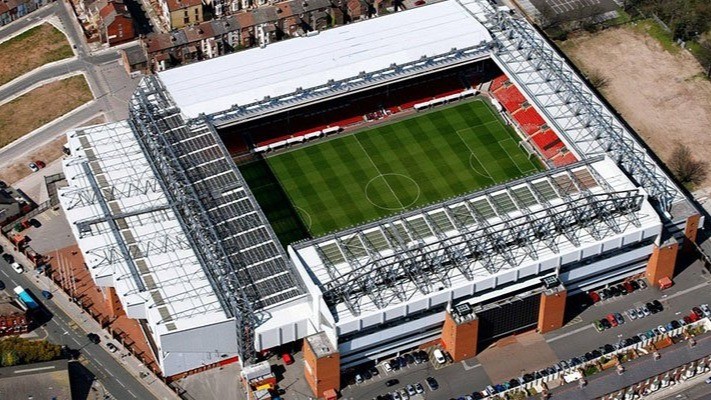
Rethinking Sports as a Platform for Youth-Led Value Chains
In Kenya, discussions about job creation often centre on traditional sectors such as agriculture, textiles, or food. These industries are typically examined through a value chain lens, beginning with demand and tracing backwards to uncover gaps in productivity and areas where strategic interventions could unlock income and employment. While this approach has been valuable, not all sectors fit into it so neatly. One notable exception is sports, which, although deeply embedded in the country’s cultural fabric, has remained largely untapped as an economic platform.
Sports in Kenya are widely loved and passionately followed. From football and athletics to rugby and increasingly basketball, it inspires loyalty and emotional investment across generations. People speak about their favourite teams and athletes with great pride. Social media lights up during major tournaments, and screenings of Premier League matches draw massive crowds. Yet, despite this energy and engagement, the local sports ecosystem remains underdeveloped and commercially underdeveloped. Even legendary clubs like Gor Mahia and AFC Leopards, with their loyal fanbases and rich histories, operate without the business infrastructure one might expect. Local content creation around sports is often focused on international teams and community leagues, which are vibrant, but they rarely generate sustainable economic activity.
This mismatch between interest and opportunity arises from a narrow definition of the sports economy. It is still primarily viewed as a performance sector centred around athletes, trophies, federations, and occasional high-profile events. Fan culture, match-day experiences, creative energy, and micro-businesses are treated as incidental, informal, or secondary. What’s missing isn’t demand, but the infrastructure needed to absorb, multiply, and convert that demand into economic value. If this infrastructure existed, countless young people could be building businesses around the games they already love.
Sports, unlike many enabling sectors, create a reciprocal relationship with other industries. While roads, electricity, or mobile networks unlock productivity in a one-way flow, sports grow stronger the more other sectors plug into them. On match days, a wide array of economic activity unfolds as vendors sell snacks, musicians perform, designers showcase merchandise, transport providers move fans, and digital content creators capture the buzz. These aren’t peripheral activities—they are integral to the experience. A game without music, food, fanwear, and social media chatter would be hollow.
Technology also finds fertile ground in the sports world. Developers can test apps, streaming services, ticketing platforms, and performance analytics tools during games. Young designers and media teams can turn matches into dynamic showcases for their work. These possibilities extend beyond elite levels. Community and hobby sports generate demand for coaches, fitness trainers, nutritionists, physiotherapists, and local event organisers. While often informal, these roles represent a hidden segment of the economy, one that could flourish with proper support.
What makes sports particularly powerful is its ability not only to enable value creation but also to absorb and amplify it. The more food, fashion, tech, wellness, and media integrate into the sporting experience, the more compelling and economically valuable the ecosystem becomes. Unlike infrastructure, which fades into the background once operational, sports grow more engaging the more visible and participatory they become. For this reason, sports should not be viewed as an isolated sector but rather as a platform capable of hosting a vibrant, distributed economy.
Despite all this potential, the system remains fragmented. Local clubs, even the most prominent ones, lack commercial strategies and fan engagement models. Corporate sponsorships tend to be superficially focused on visibility rather than co-creation. They put logos on jerseys, sponsor one-off tournaments, or provide funding just before major events. There is little investment in helping clubs become platforms or in designing holistic fan experiences. As a result, athletes often train without reliable income, and community leagues lack structure or continuity. Young entrepreneurs who could build businesses around these events find no predictable infrastructure to support them.
The result is a cycle of waiting. Clubs wait for sponsors. Sponsors wait for a broader reach. Fans wait for better experiences. Entrepreneurs wait for access. But no one moves because no one has built the mechanism to bring all these elements together.
The genuine opportunity in sports lies not just in producing elite athletes but in building the economy that surrounds the game. There is value in the vendors at neighbourhood pitches, the youth-run media teams covering tournaments, the coaches and physiotherapists training school teams, and the designers making fanwear. Even the young people running WhatsApp-based fantasy leagues or selling branded merchandise on the sidelines are part of a larger, informal economy. If designed intentionally, this ecosystem could create more than 100,000 jobs across various sectors, including technology, retail, wellness, logistics, creative industries, and food.
Achieving this vision will require a fundamental shift in how investment in sports is approached. Currently, most funding is directed toward the top for national teams, elite talent, and high-profile events. These are important and worthy of celebration, but they serve only a small fraction of those engaged with the sector. Thousands of athletes train in Iten without a clear income pathway. Community football leagues operate on shoestring budgets. Basketball and rugby attract significant passion but face chronic funding gaps. The ecosystem around these sports remains fragmented and unsupported.
What is missing is not energy or passion—it is system design. Sponsors need to move beyond mere visibility and begin co-building ecosystems by supporting local media teams, funding match-day businesses, or enhancing fan experiences. Clubs must be seen as anchor institutions, central to a broader web of economic activity. Governments and development funders should recognise sports as a financial platform with the power to drive youth employment across multiple sectors, not merely as a soft-power gesture or a source of national pride.
By fostering a well-designed system that connects local sports ecosystems to global networks, young talent can gain visibility and access to international opportunities. This could involve partnerships with global sports organisations, scouts, and leagues, enabling promising athletes and professionals in related fields to showcase their skills on a larger stage. The integration of technology, such as streaming local matches and creating digital profiles for athletes, can amplify their reach, offering a pathway to more lucrative assignments abroad.
This is not a call to commodify joy or to over-professionalise what people do for love. It is a call to take seriously what already exists and to create infrastructure and investment strategies that reflect the true potential of the sports economy. By doing so, when the next Omanyala or Kipchoge emerges, the system and value chains around them will be ready to support tens of thousands more in their footsteps.
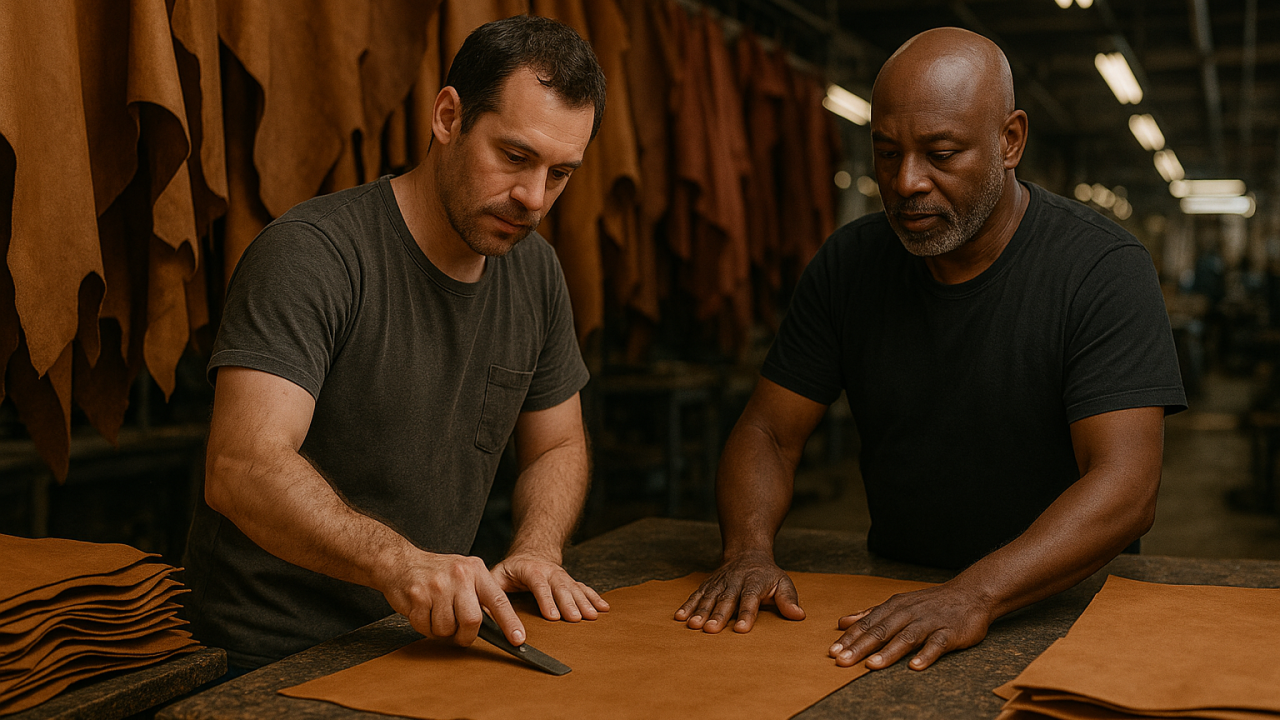
Why Kenya’s Leather Industry Lags—and How Rethinking Value Chains Could Transform It
In Narok, a cow is slaughtered. Its hide, once stripped and salted, is sold for a few hundred shillings. Several months later, that same hide resurfaces in a high-end shopping mall in Nairobi—now part of a refined leather handbag priced at 16,000 Kenyan Shillings, sometimes branded with an Italian name stitched into the lining. This transformation isn’t just a striking example of trade imbalance. It is evidence of a larger structural issue in Kenya’s economy—an issue rooted in the way the country has confused supply chains with value chains.
Kenya stands among Africa’s leading producers of hides and skins. With an estimated 18.8 million cattle, nearly 27 million goats, and close to 19 million sheep, Kenya has the third-largest livestock population on the continent. Over the years, substantial investments have been made into the leather sector: more tanneries, better transportation, and the establishment of specialized processing zones. These initiatives seem, at first glance, like the foundations of a strong industry. Yet despite these efforts, only about 2% of Kenyan hides are converted into fully finished leather. The bulk are semi-processed and exported with minimal added value.
The core of the problem lies in a widespread misconception. Kenya has concentrated its efforts on building supply chains, not value chains. Although the two terms are often used interchangeably in public policy and investment discourse, they are not the same. And mistaking one for the other has far-reaching consequences.
Supply chains focus on the movement of goods—getting raw materials from one point to another efficiently. They prioritize speed, volume, and cost, and are essential for coordination and infrastructure. Value chains, on the other hand, emphasize the creation and capture of value at each step of the journey. They involve thoughtful product design, quality assurance, branding, customer experience, and more. Where supply chains serve as the skeleton of an industry, value chains act as its nervous system, determining how it performs and grows.
Kenya has built the skeleton. The country’s leather sector efficiently transports hides from rural slaughterhouses to urban tanneries and on to export markets. However, the infrastructure needed for product development—grading facilities, finishing workshops, prototyping centres, branding support, and retail distribution—has not been developed at the same pace. As a result, the hides flow through a system designed purely for movement, not transformation. Once that supply chain is in place and optimized for exports, it becomes increasingly difficult and expensive to shift its purpose.
This sequencing fallacy—believing that value can be added later, once a supply chain is established—locks Kenya into the lowest value segments of the global leather market. It creates a system that sustains livelihoods but fails to promote upward mobility. Jobs are created, but they remain mostly informal, low-paying, and disconnected from enterprise growth. Kenyan leather may find its way into luxury goods, but the country’s identity and value are lost along the way.
To truly unlock the sector’s potential, Kenya must envision a different future—one built around value creation. Imagine a system where hides are not just collected but graded for quality and purpose. Where tanneries don’t simply churn out uniform sheets of leather, but customize finishes for specific products such as shoes, furniture, or safety gear. Where local design studios prototype high-end goods for both regional and export markets. Where Kenyan brands tell authentic stories, build loyal customers, and command higher prices.
Shifting to a value chain mindset changes the entire logic of how industries are built. It requires grading hides based on quality rather than simply aggregating them by quantity. It means designing tanneries to produce different finishes suited to varied applications—from automotive upholstery to boxing gloves. It transforms efficiency into a tool that protects margins rather than just reducing cost. It demands more than infrastructure; it requires a full ecosystem, including labs for design, centres for quality certification, facilities for small-batch production, and experts in branding and marketing.
Crucially, a value chain approach repositions Kenya from being merely a supplier of raw materials to becoming an owner of its markets. The applications of leather are vast—beyond fashion accessories, it’s used in furniture, automotive interiors, industrial safety gear, sports equipment, cultural artifacts, and luxury packaging. Each of these markets requires a different kind of leather and offers different opportunities for margin and scale. By intentionally designing systems for these varied sectors, Kenya could unlock untapped economic potential.
However, understanding the value chain is only the first step. Implementing it requires new capabilities and tools that traditional supply chain development often overlooks. It demands precise diagnostic tools that can map where value is created and where it leaks out of the system. It calls for structured product development methods, enabling businesses to prototype, test, and position their products effectively in the market. It requires ecosystem mapping to identify who plays what role in the chain and how relationships might be realigned for better outcomes. And it depends on new ways of measuring performance—not just by volume and cost, but by quality, margin, customer loyalty, and brand strength.
These are not generic skills. They require practical, field-tested methodologies and deep familiarity with how value chains function in context—especially in environments where systems are fragmented, incentives misaligned, and local capability uneven. Without this, value chain thinking remains a concept. With it, it becomes a strategy that can be executed.
The leather sector in Kenya is not an isolated case. It exemplifies a pattern seen in many other industries across the continent. Too often, development strategies prioritize logistics and infrastructure—mistaking movement for progress. Without clarity about the kind of value a system is meant to generate, even the most efficient supply chains can trap countries in a cycle of low returns and limited growth.
But the situation is not irreversible. Kenya has the raw resources, the talent, and the entrepreneurial spirit to build competitive, value-driven industries. What’s required is intentional design—starting with the end in mind and supported by the right capabilities to make it work in practice. Instead of asking how to move more material faster, the country must ask: what kind of value do we want to create, and for whom?
Once this fundamental question is answered, supply chains can be built not just for movement, but for meaning. Kenya’s leather doesn’t have to be just another export statistic. It can be the foundation of an industry that creates jobs, builds brands, and tells Kenyan stories to the world.
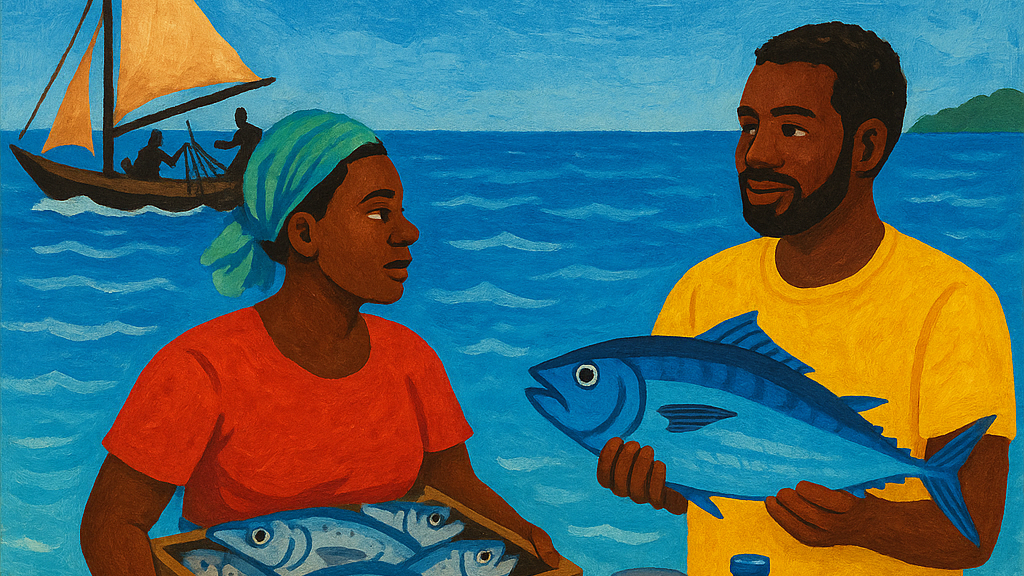
Rethinking Kenya’s Blue Economy: From Catch to Value Creation.
Why Kenya’s waters hold more than fish — and what it will take to unlock their full potential
Kenya’s Blue Economy has been hailed as a flagship of sustainable development — a vision where the country’s lakes, rivers, and ocean generate livelihoods, promote conservation, and spark innovation. But as investments pour in and projects multiply, a pressing question looms: is Kenya truly maximizing the value of its aquatic resources, or merely scaling old systems?
Since hosting the first global Blue Economy Conference in 2018, Kenya has embraced the idea with remarkable energy. From newly upgraded ports and fishing equipment to expanded aquaculture and increased marine tourism efforts, the country has made visible strides. The state has poured billions into infrastructure, while global partners have contributed to conservation, community enterprises, and fisheries support. Ministries dedicated to the Blue Economy have emerged, and strategies continue to evolve.
Yet beneath the surface, many experts and practitioners now warn that progress may be plateauing. The focus, they say, has largely been on output — more fish landed, more boats built, more tourists counted — rather than on the systems, structures, and innovations that turn output into long-term value.
At the heart of the issue is a developmental model that emphasizes short-term productivity over sustainable transformation. Fishing cooperatives may now own better gear, but they often lack access to cold chains, processing facilities, or market data. Ports may be bigger, but few are designed as hubs for value addition. Tourism promotion is polished, but the experiences on offer often mirror international standards rather than local richness.
“We’re seeing a lot of activity, but not enough value creation,” says one Blue Economy analyst based in Mombasa. “Kenya is investing in how things have always worked — rather than asking how they could work differently.”
A good example is fisheries. While the government has helped improve storage and transport, little attention has been paid to what happens beyond the sale of raw fish. By-products such as fish skin, bones, and waste are discarded — despite global demand for fish leather, marine oils, collagen, and pet food ingredients.
The problem is not a lack of resources, but a lack of structure. As the analyst puts it, “We know how much fish comes in. What we don’t know is how much is lost before it reaches the market — or how much more value it could have created if processed differently.”
A growing wave of research and grassroots experimentation suggests that Kenya could emerge as a continental leader in high-value marine innovations — but only if it establishes the ecosystem necessary to support such advancements. Across the country’s waters and coastal communities, potential abounds, waiting to be transformed into economic opportunity.
Take, for example, the often-overlooked by-products of the fishing industry. Fish skins, typically discarded at landing sites, can be processed into high-quality leather suitable for shoes, bags, and furniture. Fish scales and bones, too, hold untapped promise — they can be converted into biodegradable plastics, offering a sustainable alternative to petroleum-based packaging. A handful of Kenyan startups have explored these possibilities, but their growth is constrained by the lack of consistent supply chains, access to tanning equipment, and the absence of dedicated processing hubs. Without systemic support, these ventures remain niche and fragile.
In the realm of aquaculture, feed remains the single largest cost for fish farmers, often consuming between 60 to 70 percent of total production expenses. Yet, Kenya is well-positioned to develop a more sustainable and affordable solution. The country is rich in agricultural waste and already has the necessary knowledge to cultivate black soldier fly larvae — a potent source of protein for fish feed. Combined with local fermentation techniques, these inputs could drastically reduce reliance on expensive imported feed. However, without coordinated research and development facilities or structured supply systems, this potential remains largely theoretical.
Water hyacinth, a plant infamous for clogging Lake Victoria and hampering fishing activity, presents another intriguing opportunity. Rather than viewing it as a nuisance, innovators are beginning to see it as a raw material. With proper processing, water hyacinth can be turned into textile Fibers, packaging pulp, or even carbon-rich boards used in construction. A few pilot initiatives have shown early promise, but their success is limited by inadequate data — from harvesting schedules to climate impact metrics — and a lack of access to industrial processing and distribution channels.
Kenya’s coastal communities also harbour a wealth of underappreciated marine species and culinary traditions. Despite this, most tourist menus feature international dishes rather than local flavours. There is enormous potential to reinvent Kenya’s culinary identity by highlighting indigenous marine ingredients. Chefs like Ángel León in Spain have demonstrated how entire restaurants can be built around neglected fish species, turning overlooked food into premium dining experiences. Kenya could do the same — but it would require investment in culinary labs, support for local sourcing networks, and a redesign of tourism to focus on immersive, locally-rooted experiences.
Perhaps the most critical foundation for all these innovations is data. Kenya’s marine economy currently operates with fragmented, often paper-based records, which hampers coordination and limits growth. Building digital systems to track catch volumes, monitor supply chains, and match producers with processors and buyers could dramatically increase efficiency and reduce waste. Mobile data tools, shared dashboards, and lightweight traceability platforms would not only improve logistics but also strengthen market access for small-scale producers.
Together, these examples point to a simple but powerful insight: Kenya has the raw materials and entrepreneurial spirit to lead in marine innovation. What it needs now is structure — systems that connect ideas to markets, producers to processors, and innovation to infrastructure. Without it, these promising initiatives risk remaining isolated experiments rather than transformative economic engines.
What unites these opportunities is not just innovation, but a need for integration. Kenya’s Blue Economy is full of pilots, projects, and ideas — but they often operate in isolation. What’s missing is the infrastructure and systems thinking to connect them into functioning value chains.
This is where a proposed Productivity and Innovation Lab could play a vital role. Envisioned as a national coordination hub, such a lab wouldn’t build more infrastructure — it would make existing infrastructure work smarter. By providing tools for inventory tracking, market linkage, cooperative logistics, and data analysis, it would help small-scale actors transition from subsistence to enterprise.
For example, if fish processors had real-time information on incoming catches, they could plan production more efficiently. If coastal groups producing seaweed packaging had access to demand forecasts and shelf-life data, they could scale sustainably. If aquaculture farmers shared waste streams, insect-based feed producers could meet supply quotas while reducing costs.
The idea is simple but transformative: structure innovation, don’t just fund it. Kenya already has the energy, creativity, and groundwork. It now needs to connect the dots.
If the first chapter of Kenya’s Blue Economy was about platforms — building boats, ports, and ponds — the second chapter must be about performance. That means helping these platforms interact, reinforcing one another rather than existing in silos.
Many high-potential ventures fail not because they lack promise, but because they get stuck between idea and business. There’s no processing infrastructure, no clear ownership models, no tools for predicting demand or accessing export markets. A value chain is only as strong as its weakest link — and in Kenya’s case, many of those links remain missing.
The country must now ask: what kind of economy does it want to build? One that exports raw fish and imports finished goods, or one that processes, packages, and sells its own marine products — at a profit, and on its own terms?
The momentum behind Kenya’s Blue Economy is real. The foundations are strong. But the next step will require courage, investment, and a shift in mindset — from managing resources to designing systems, from activity to productivity, from potential to performance.
If Kenya chooses to connect its marine efforts — to think like an innovator, not just a manager — the rewards could be immense. Jobs, industries, and sustainable incomes lie within reach. But they won’t arrive on their own. They will need to be built — by design, not default.
It’s time to move beyond the catch.
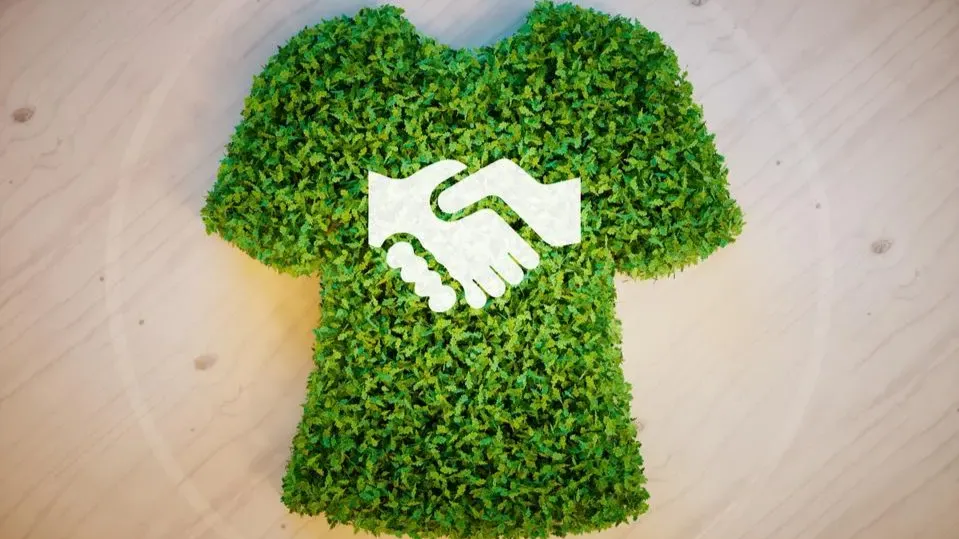
Kenya’s Looming Opportunity: From Fiber Supplier to Sustainable Fashion Leader
The global fashion industry is undergoing a profound transformation in a world increasingly demanding ethical production and environmental responsibility. Fueled by growing consumer awareness and reinforced by regulatory frameworks like the EU’s sustainability laws pushing for greater accountability, this shift presents a unique opportunity for countries rich in natural resources, particularly Kenya. With its abundant access to sustainable fibers such as sisal, water hyacinth, banana fibers, and bamboo, as well as the potential for natural dyes derived from local plants, Kenya is uniquely positioned to become a leader in the production of sustainable fashion materials.
The increasing global demand for eco-friendly and ethically produced garments offers Kenya an environmental advantage and a significant economic opportunity. By reducing reliance on imported fabrics and boosting local value addition, Kenya could foster a robust fashion ecosystem that benefits local communities and aligns with global supply chain needs. However, unlocking this potential requires a fundamental shift towards a market-driven approach, prioritising entrepreneurial innovation, commercial scalability, and technological integration. To facilitate this transformation, Kenya must create commercially viable business models that can scale in local and global markets. This process requires integrating entrepreneurial innovation, technological advancements, and commercial strategies into the sustainable fashion ecosystem. While the social impact remains essential, it must be balanced with profit generation and business growth to ensure that sustainable fashion in Kenya is not only environmentally responsible but also economically viable.
Identifying the Gaps in the Ecosystem
While resource-rich, Kenya’s sustainable fashion ecosystem faces several critical gaps that must be addressed to realise its full potential. These include limited infrastructure, slow adoption of emerging technologies, market access, and branding.
Despite having valuable local materials like sisal, banana fibers, bamboo, and water hyacinth, the necessary processing infrastructure to transform these raw materials into high-quality sustainable textiles remains underdeveloped. Small-scale facilities and a lack of advanced machinery for fiber processing, spinning, and weaving pose significant barriers to scaling up for commercial production. Investment in advanced production infrastructure and efficient fiber processing technologies is deemed critical. Many sustainable fashion initiatives in Kenya are not fully leveraging technology to optimise operations. There’s a vast opportunity to apply tech-driven solutions for waste reduction (e.g., fabric trimming), inventory management, and digital design to enhance affordability, efficiency, and scalability. Advanced tools like 3D design, online fitting, and AI-driven production optimisation are necessary to compete effectively.
Further, local sustainable fashion brands often struggle with visibility in global markets and cannot reach international buyers. A unified marketing strategy for Kenya’s sustainable fashion products is essential. Without this, local producers miss key export opportunities, and the sector remains largely confined to small-scale local markets or dependent on NGO support. Creating a strong brand identity for Kenyan sustainable textiles that appeals to global consumers is key for market success.
Opportunities for Growth
Despite the challenges, several growth opportunities exist in the fashion industry. These opportunities include sustainable fiber production, technological integration, e-commerce, natural dyes, and circular fashion. The availability of fibers like sisal, water hyacinth, banana fibers, and the potential for bamboo offers a unique chance to scale local fiber production, providing a sustainable alternative to synthetic fibers. This meets the growing market demand for eco-friendly options. We can reduce reliance on imported fabrics and foster the creation of unique product lines by developing local processing capabilities. Emerging technologies like AI, blockchain, and IoT can enhance supply chain transparency, waste reduction, and production optimisation. AI aids in demand forecasting and maintenance, while blockchain ensures ethical sourcing.
Kenya’s rich flora, including plants like Indigofera, hibiscus, and tamarind, supports the production of natural dyes, catering to the increasing demand for sustainable alternatives to synthetic dyes. The country has the potential to lead in circular fashion by establishing closed-loop systems that minimise waste and reuse materials. Upcycling and recycling fibers such as sisal and banana can significantly contribute to the global circular economy. Moreover, targeted training programs can help develop textile production, design, technology, and entrepreneurship skills.
The path to commercial viability lies in shifting to a market-driven approach, investing in infrastructure and technology, strengthening market access and branding, and focusing on the circular economy and innovation. To shift the primary focus from social impact to market-driven growth, prioritising scalability and profitability, it involves creating commercially viable business models that are cost-effective, high-quality, and competitive globally, while still being ethically produced. Urgent investment is needed in local processing facilities for fiber, spinning, weaving, and dyeing. The strategy also includes adopting digital production technologies like 3D design. Furthermore, leveraging technology such as AI for forecasting and optimization, blockchain for transparency, and IoT for inventory management is crucial for efficiency, sustainability, and cost competitiveness. Kenyan sustainable fashion brands need access to international markets. Their success requires strategic branding, highlighting local materials and craftsmanship, building partnerships with international buyers, and aligning trade agreements with the vision of becoming a preferred supplier. Embedding circular economy principles like waste reduction, upcycling, and recycling into business models is essential to meet global demand for circular solutions. Innovation, particularly through deep-tech solutions like AI-driven recycling, can differentiate Kenya as a leader in fashion technology.
Learning from Global Success: The Piñatex Example
The success of Piñatex, a sustainable textile made from pineapple leaves, offers a compelling model for Kenya. Piñatex demonstrates how an agricultural byproduct can be transformed into a high-value, biodegradable alternative to traditional materials like leather, creating jobs for local farmers and achieving global scalability in sectors like fashion and automotive. Key takeaways from Piñatex include its innovative use of waste material, its positioning as a sustainable alternative, its local impact through partnerships, and its successful scaling for global demand.
Kenya is the world’s third-largest producer of sisal, particularly known for its plantations in Taita Taveta. Historically used for ropes and mats, most Kenyan sisal is exported in semi-processed form for industrial uses in countries like Nigeria, Ghana, Morocco, Spain, and China. These countries perform the value addition, capturing the majority of the economic benefit, while Kenya remains primarily a commodity supplier. Kenya is also one of the world’s largest producers of pineapples.
The opportunity for Kenyan sisal and pineapple waste lies in increasing production and changing what they are processed for. Like Piñatex, sisal can be transformed into high-value sustainable fabrics, fashion accessories, and eco-friendly furniture. This requires innovation in processing using modern technologies to improve efficiency and quality, value addition to move beyond low-value items, and branding and market positioning to present sisal as a premium, sustainable material in the global fashion market.
A Pivotal Moment
Kenya is pivotal, with the global demand for sustainable fashion rapidly expanding. Leveraging its natural resources, tech ecosystem, and entrepreneurial spirit, the country has a unique competitive edge. The path forward requires a holistic approach that balances social impact with commercial viability. Kenya can transform its fashion industry by investing in infrastructure and technology, fostering entrepreneurial leadership, adopting market-driven strategies, leveraging emerging technologies like data analytics, operations research, AI, and blockchain, and building a circular economy. This transformation can move it from a niche market to a globally recognised hub for sustainable innovation, driving economic growth, creating jobs, and positioning Kenya as a leader in eco-friendly, fashion-forward products.