PHASE II Call for Applications: ONGOING
SUSTAINABLE FIBRE to FASHION PROPELLOR PROGRAM
The global fashion industry is increasingly shifting toward sustainable practices, with the sustainable fashion sector emerging as the new standard and gradually reshaping the entire industry. Kenya possesses a unique competitive advantage in the sustainable fashion sector, driven by its diverse and promising value chains in leather, silk, bamboo, natural dyes, sisal, water hyacinth, and fish leather. The sustainable fashion sector has seen a growing number of startups and existing ventures emerging across various value chains and at different levels within each value chain.
The Sustainable Fibre to Fashion Propellor Program is a co-creation lab designed to develop and scale the solutions across the value chain. Following a gap analysis and opportunity mapping in Phase 1, Phase 2 aims to bring together 30–50 entrepreneurs, researchers, designers, manufacturers, agri-processors, and other ecosystem players to develop targeted interventions that strengthen the chain where it matters — through value addition, productivity & process optimisation, and practical innovation.
We are working from a clear vision of what a strong, economically viable, and future-proof value chain could look like — one that builds on Kenya’s natural advantages and responds to real market demand. That includes underused resources like banana, sisal, and bamboo fibres, as well as natural dyes, (fish) leather, and agricultural by-products. But it also includes the machinery, digital tools, and production systems needed to improve quality and consistency, reduce waste, and scale sustainably — from fibre extraction to yarn, textile, and product development.
Participation is flexible and customised — this is not a one-size-fits-all program. It’s a focused collaboration space for those already building solutions, and ready to strengthen their work as part of a system. Because we’re not just trying to help individual players grow — we’re working to embed solutions that strengthen the entire ecosystem. When one business scales, their suppliers, processing partners, and downstream customers should scale with them. Whether you’re producing textiles, developing functional end-products, unlocking new uses for local materials, or translating research into practice — this program is about making that work more connected, more scalable, more profitable, and hence more transformative for the whole chain.
From fibre to fashion
Where do you sit in the value chain — and who could you be working with?
Most people jump straight to the final product — the dress, the bag, the brand. But the strongest opportunities in sustainable fashion come from understanding and improving the full chain. When you see the whole system, you start to see where the real gaps — and the real potential — lie.
This program works across all four stages. You don’t need to do everything. But you do need to know where you fit, and how your work connects to others.

Fibre
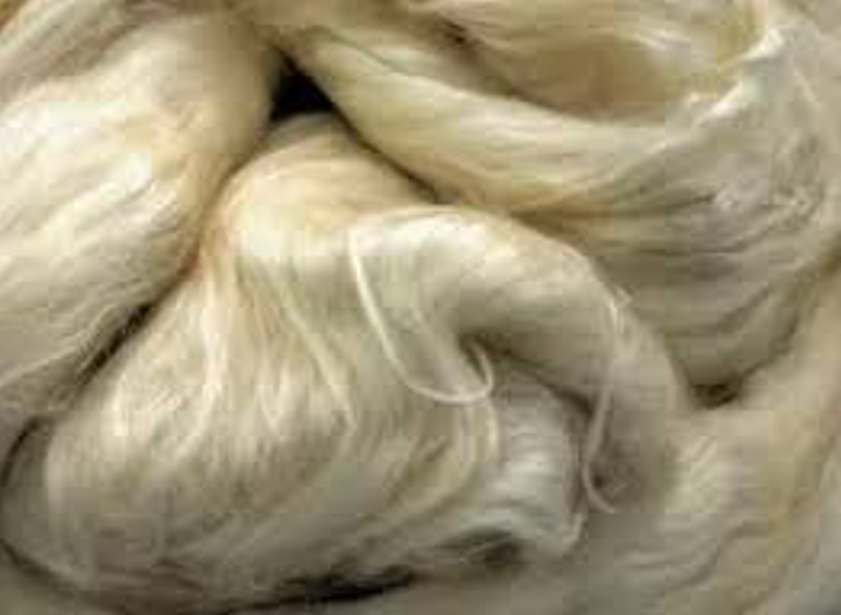
Raw material extraction and processing Natural fibres like sisal, banana, bamboo, and hyacinth are all around us — but most are underused, poorly processed, or exported in raw form. This stage is about unlocking their potential through better sourcing, extraction, degumming, drying, or pre-treatment.

Yarn
Turning fibres into usable thread Without yarn, there’s no woven fabric. Yet local spinning capacity is almost nonexistent — creating a major bottleneck. Opportunities here include low-cost or modular spinning setups, blended yarns, and pilot-scale innovations that can serve small- to medium-batch production.
Fabric
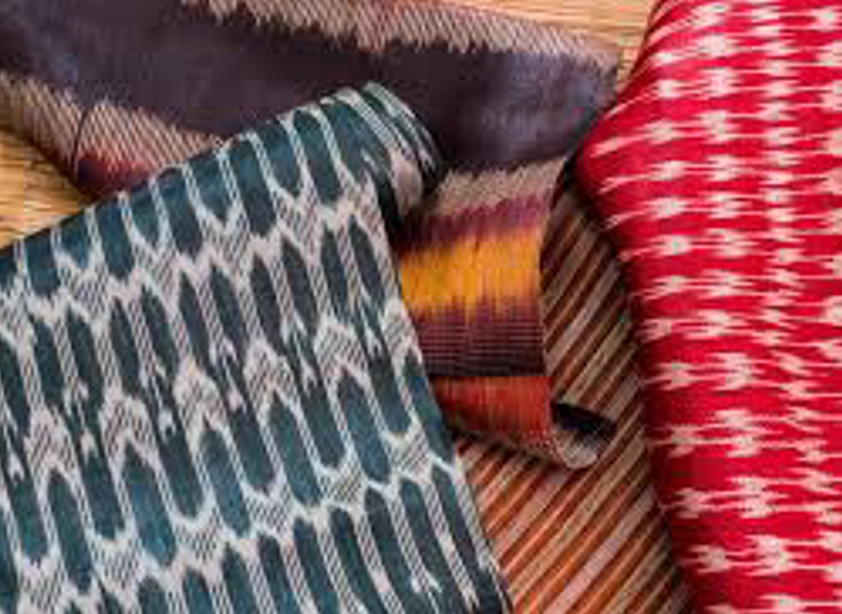
Weaving, knitting, dyeing, and finishing This is where texture, strength, and colour come to life. From natural dye processes to small-batch weaving and fabric finishing, this stage holds massive potential for local value addition. Innovations here focus on quality, consistency, and adapting production to fit local materials and volumes.
Fashion
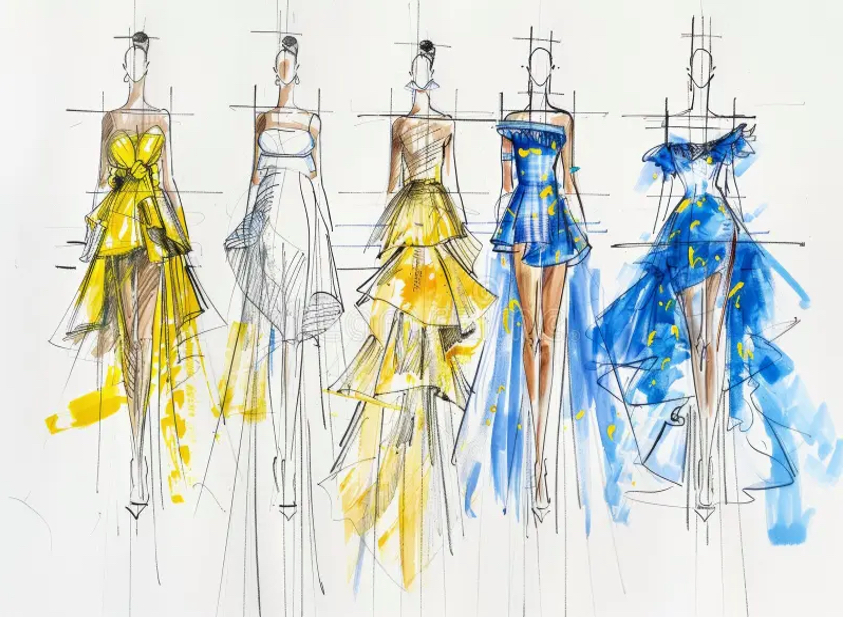
From textiles to products that serve a market This is the visible part — but it only works if everything behind it works too. Design, tailoring, product development, and branding all depend on reliable, high-quality inputs. At this stage, opportunities lie in building products that match real demand, link back into the chain, and raise the bar for quality and value.
Tired of building in isolation? If you’re pushing boundaries in any of these areas, we want to work with you.
PHASE I
Gap Analysis & Opportunity Mapping
We take a systems-level view of Kenya’s sustainable fashion value chains — from fibre to fashion — to understand where the real gaps, bottlenecks, and leverage points are. This includes deep dives into fibre types, processing capacity, standards, technology readiness, and emerging ventures. The result: a clear and actionable picture of where targeted interventions could unlock real productivity and value addition.
COMPLETED
PHASE II
Co-Creating and Piloting Solutions
We convene 30–50 ecosystem players — from entrepreneurs and researchers to manufacturers and agri-processors — to develop and pilot practical, interconnected solutions. The goal is not isolated scaling, but ecosystem-strengthening: smarter linkages, stronger processes, and commercially viable outcomes that benefit multiple players across the chain.
IN PROGRESS
PHASE III
Scaling What Works
We take tested prototypes and promising approaches and prepare them for scale — whether that means deeper investment, replication in other regions, integration into value chain infrastructure, or broader policy influence. The focus is on solutions with system-wide impact: profitable for businesses, viable for funders, and catalytic for Kenya’s position in sustainable fashion.
PHASE II Call for Applications: ONGOING
AREAS OF APPLICATION
We are open to bold, practical ideas — as long as they’re grounded in real needs and contribute to a stronger value chain. This phase is not about pitching ideas to a panel; it’s about rolling up sleeves and building what’s missing, together.
Areas of application span the full chain, from raw materials to market-ready products. This includes:
-
New approaches to fibre extraction and preprocessing
-
Local innovations in yarn production and spinning
-
Natural dye processing and application methods
-
Textile finishing adapted to local materials
-
Circularity and reuse of waste or by-products
-
Commercialisation of applied research, including materials science, design, and production
-
Development of high-value end-products based on local inputs
-
Lightweight tools, machines, or digital solutions that enable quality and consistency
We’re especially interested in opportunities that are collaborative by nature — whether that means linking producers with processors, embedding research into real-world production, or developing tools others can build on.
EXPECTED OUTCOMES
This is a pilot — not just of products or prototypes, but of a different way of building value chains.
Our goal is to demonstrate what becomes possible when ecosystem players work in sync, rather than in silos. We’re not just aiming for isolated success stories; we want to embed solutions that make the whole system more productive, profitable, and resilient.
Expected outcomes include:
Tangible prototypes across key pressure points in the chain — from fibre to dye to finished product
Deeper linkages between ecosystem actors, creating shared value and mutual reinforcement
Higher profitability for participating businesses, not through subsidies or shortcuts, but through better processes and coordination
Clearer pathways for research commercialisation, local input substitution, and scalable production
A proof point that ecosystem-led industrialisation is not just possible — it’s essential
This isn’t about ticking boxes or delivering reports. It’s about testing what works, learning from what doesn’t, and showing that local value addition, when done right, can compete on both quality and commercial logic.
PROGRAM DETAILS
This is not a one-size-fits-all accelerator. It’s a hands-on, ecosystem-building effort — and your participation will be shaped by what you’re working on, where you’re based, and what support you need.
Engagement period: Roughly 3–6 months, depending on your focus
Kick-off: Informal onboarding begins from 21 July
Format: Hybrid — online + in-person
Support offered: Tailored technical support, matchmaking with ecosystem partners, visibility, access to tools/facilities, and small-scale financial or in-kind support (based on need and fit)
Who it’s for: Entrepreneurs, researchers, designers, manufacturers, agri-processors, and others working on real solutions that are for profit and commercially viable — from early-stage to advanced
What we’re looking for:
- A value-creation and productivity mindset
A clear willingness to grow and scale
Commitment to doing the work — not just showing up
A high level of innovative thinking or experimentation
We’re flexible because the value chain demands it. What matters is that you’re serious about building something that strengthens the system — and open to working with others who are doing the same.
Call to Action
Are you working on something that could change the game — even in a small part of the chain?
FOR PARTICIPANTS
If you’re developing an innovative solution anywhere between fibre and fashion — and want to grow it in connection with others — APPLY NOW
CALL FOR APPLICATIONS: ONGOING
We are serious about building the value chain and hence welcome any players to join on a rolling basis. Applications will be reviewed on a case-by-case basis, depending on strategic fit within the value chain. We especially encourage scientists interested in commercialising their research, farmers who are already doing value addition with the mentioned fibres, as well as yarn and textile producers to apply.
NOTE:
WE ARE LOOKING FOR COMMERCIAL VIABILITY, FOR PROFIT ONLY
THIS IS NOT A CALL FOR “SUSTAINABLE FASHION PROJECTS”, BUT FOR BUSINESSES THAT ARE DEVELOPING SOLUTIONS ALONG THE VALUE CHAIN FROM PROCESSING FIBRE TO YARN, FABRIC & NATURAL DYE PRODUCTION TO ORIGINAL DESIGN AND TAILORING.
Contact Ian on iochieng@casbi-africa.com in case of any questions.
FOR PARTNERS and FUNDERS
Whether you’re a funder, research institution, or other supporting organisation — we’d love to talk.
We welcome:
Financial or in-kind support (e.g. tools, equipment, infrastructure)
Research collaboration or technical partnerships
This is a chance to be part of something systemic — not just supporting ventures, but helping redesign the value chain for long-term impact.
Contact us on partners@casbi-africa.com to start the conversation.